Choosing the right approach to download your credit report easily starts with clear context, practical filters, and realistic expectations.
Introduction to Credit Reports
A credit report is a detailed record of an individual's credit history, including their payment history, credit accounts, and public records. It is used by lenders to determine creditworthiness and decide whether to approve a loan or credit application. Downloading a credit report is essential for individuals to monitor their credit health, detect errors, and prevent identity theft.
Why Download a Credit Report
Downloading a credit report allows individuals to review their credit history, identify areas for improvement, and take corrective action to improve their credit score. It also enables them to detect errors or inaccuracies in their report, which can negatively impact their credit score. By downloading a credit report, individuals can take control of their financial health and make informed decisions about their credit.
Common Mistakes to Avoid
When downloading a credit report, individuals should be aware of common mistakes to avoid, such as:
- Not reviewing their report regularly, which can lead to undetected errors or identity theft
- Not understanding the information contained in their report, which can lead to misinterpretation or incorrect conclusions
- Not taking corrective action to improve their credit score, which can lead to missed opportunities for better loan or credit terms
Tools for Downloading a Credit Report
There are several tools and websites that allow individuals to download their credit report, including:
- AnnualCreditReport.com: a free website that provides one free credit report per year from each of the three major credit bureaus (Experian, TransUnion, and Equifax)
- Credit Karma: a free website that provides free credit reports and scores from TransUnion and Equifax
- Credit Sesame: a free website that provides free credit reports and scores from TransUnion
- Experian: a paid website that provides credit reports and scores, as well as credit monitoring and identity theft protection services
- TransUnion: a paid website that provides credit reports and scores, as well as credit monitoring and identity theft protection services
Understanding Credit Report Components
A credit report typically includes the following components:
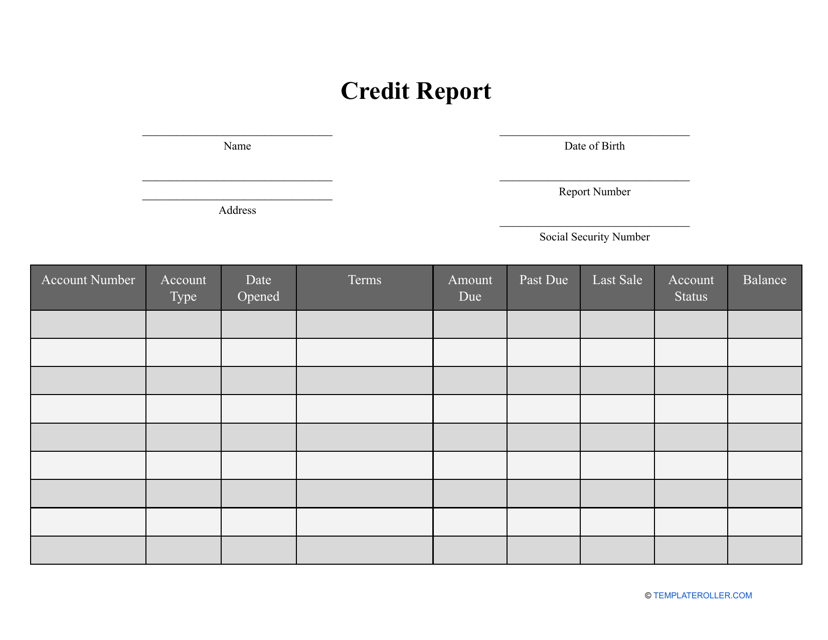
- Personal information: name, address, Social Security number, and employment history
- Credit accounts: a list of all credit accounts, including credit cards, loans, and mortgages
- Payment history: a record of all payments made on credit accounts, including late payments and missed payments
- Public records: a list of any public records related to the individual, such as bankruptcies, foreclosures, or tax liens
- Credit score: a three-digit number that represents the individual's creditworthiness
Practical Example For example, let's say
John downloads his credit report and notices that there is an error in his payment history. He can dispute the error with the credit bureau and have it corrected, which can improve his credit score.
Maintaining Good Credit Health Downloading a credit report is just the first step in
maintaining good credit health. Individuals should also:
- Make on-time payments on all credit accounts
- Keep credit utilization ratios low
- Monitor their credit report regularly for errors or inaccuracies
- Avoid applying for too much credit at once
- Consider working with a credit counselor or financial advisor to improve their credit score
Limitations of Credit Reports
While credit reports are an essential tool for maintaining good credit health, they do have limitations. For example:
- Credit reports may not include all credit accounts, such as rent or utility payments
- Credit reports may not reflect real-time changes to credit accounts
- Credit reports may contain errors or inaccuracies
Workflow Tips To get the
most out of downloading a credit report, individuals should:
- Set a reminder to download their report regularly, such as every 6-12 months
- Review their report carefully, looking for errors or inaccuracies
- Take corrective action to improve their credit score, such as disputing errors or paying off debt
- Consider working with a credit counselor or financial advisor to develop a personalized credit improvement plan
Conclusion Downloading a credit report is a crucial step in maintaining good credit health.
By understanding the importance of credit reports, avoiding common mistakes, and using the right tools, individuals can take control of their financial health and make informed decisions about their credit. Remember to review your credit report regularly, take corrective action to improve your credit score, and consider working with a credit counselor or financial advisor to achieve your financial goals.