Choosing the right approach to boost pc storage space starts with clear context, practical filters, and realistic expectations.
Introduction to PC Storage Limitations
Running out of storage space on your PC can be frustrating, especially when you're in the middle of a critical project or trying to download a new application. As you accumulate more files, documents, and programs, your computer's storage capacity can quickly become depleted. This can lead to slower performance, crashes, and even data loss.
Understanding PC Storage Types
There are several types of storage available for PCs, including hard disk drives (HDD), solid-state drives (SSD), and hybrid drives. Each type has its own advantages and disadvantages. For example, HDDs offer large storage capacities at an affordable price, but they can be slow and prone to mechanical failure. SSDs, on the other hand, provide faster performance and lower power consumption, but they are generally more expensive and have limited storage capacity.
Assessing Your Storage Needs
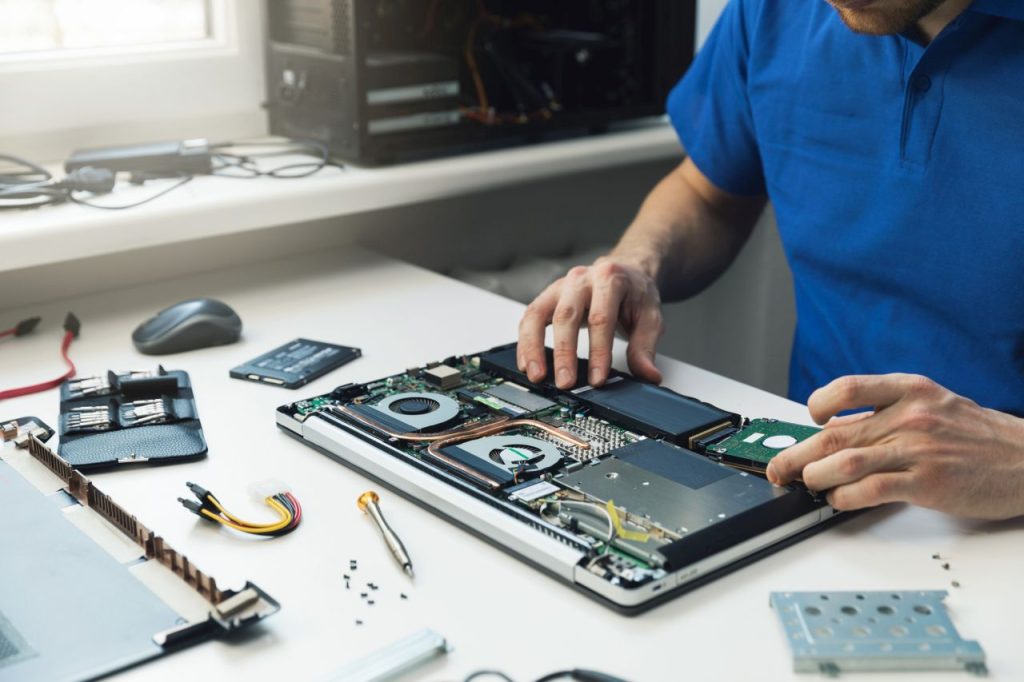
Before you can determine the best way to get more storage on your PC, you need to assess your current storage needs. Consider the types of files you work with, the size of your files, and how often you need to access them. If you work with large video or audio files, you may require more storage capacity than someone who only works with text documents.
Evaluating Your Current Storage Usage
To evaluate your current storage usage, you can use the built-in disk management tools on your PC. These tools can help you identify which files and programs are taking up the most space on your computer. You can also use third-party storage analysis tools to get a more detailed breakdown of your storage usage.
Storage Expansion Options
There are several options available for expanding your PC's storage capacity. These include:
- Adding an external hard drive
- Upgrading to a larger internal hard drive
- Installing a solid-state drive (SSD)
- Using cloud storage services
- Implementing a storage area network (SAN)
- Here are 5 popular storage expansion options:
- Western Digital My Book: A high-capacity external hard drive with automatic backup and password protection.
- Seagate Expansion: A compact and portable external hard drive with fast data transfer speeds.
- Samsung 970 EVO: A high-performance SSD with fast read and write speeds.
- Google Drive: A cloud storage service with generous storage capacity and seamless integration with Google apps.
- Microsoft OneDrive: A cloud storage service with robust security features and offline access.
Optimizing Your PC's Storage Capacity
In addition to expanding your storage capacity, there are several ways to optimize your PC's storage usage. These include:

- Removing unnecessary files and programs
- Compressing large files
- Using disk cleanup tools to remove temporary files and system logs
- Disabling hibernation and system restore
Tips for Maintaining Your PC's Storage Capacity
To maintain your PC's storage capacity, it's essential to regularly clean up your files and programs. You can also use storage management tools to monitor your storage usage and receive alerts when your storage capacity is running low.
Common Mistakes to Avoid When it comes to managing your PC's storage capacity, there are several common mistakes to avoid. These include:
- Not regularly backing up your files
- Not removing unnecessary files and programs
- Not using disk cleanup tools to remove temporary files and system logs
- Not monitoring your storage usage
Real-World Examples Here are a few
real-world examples of how optimizing your PC's storage capacity can improve performance:
- A video editor who uses a high-performance SSD to store their video files can experience faster rendering times and improved overall performance.
- A software developer who uses cloud storage to store their code and projects can collaborate more easily with team members and access their files from anywhere.
Actionable Closing By following these tips and strategies, you can optimize your
PC's storage capacity, improve performance, and reduce the risk of data loss. Remember to regularly clean up your files and programs, use disk cleanup tools, and consider expanding your storage capacity with an external hard drive or cloud storage service.
Frequently Asked Questions
- How do I check my PC's storage capacity? You can check your PC's storage capacity by using the built-in disk management tools or by right-clicking on your hard drive in File Explorer.
- What is the difference between a hard disk drive (HDD) and a solid-state drive (SSD)? A HDD uses mechanical parts to store data, while an SSD uses flash memory to store data. SSDs are generally faster and more reliable than HDDs.
- Can I use cloud storage as a replacement for my PC's internal hard drive? While cloud storage can be used to store files and access them from anywhere, it's not a replacement for your PC's internal hard drive. Cloud storage is best used as a supplement to your internal storage.
- How often should I back up my files? It's recommended to back up your files at least once a week, or more often if you work with critical data.
- What is the best way to clean up my PC's storage capacity? The best way to clean up your PC's storage capacity is to use a combination of disk cleanup tools, manual file deletion, and regular backups.
- Can I use an external hard drive to expand my PC's storage capacity? Yes, you can use an external hard drive to expand your PC's storage capacity. External hard drives are available in a range of sizes and can be connected to your PC via USB or other interfaces.
- How do I know if I need to upgrade my PC's storage capacity? You may need to upgrade your PC's storage capacity if you're running out of disk space, experiencing slow performance, or needing to store large files.