Choosing the right approach to download windows 11 iso easily starts with clear context, practical filters, and realistic expectations.
Introduction to Windows 11 ISO Download
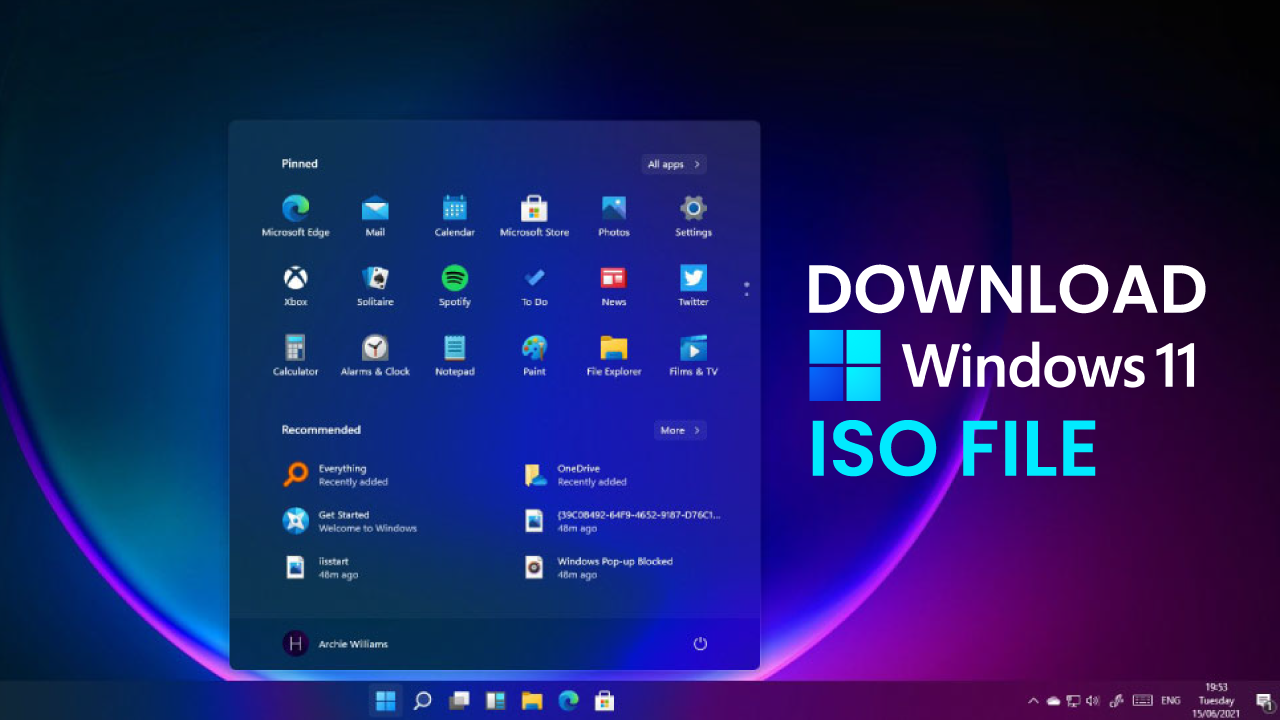
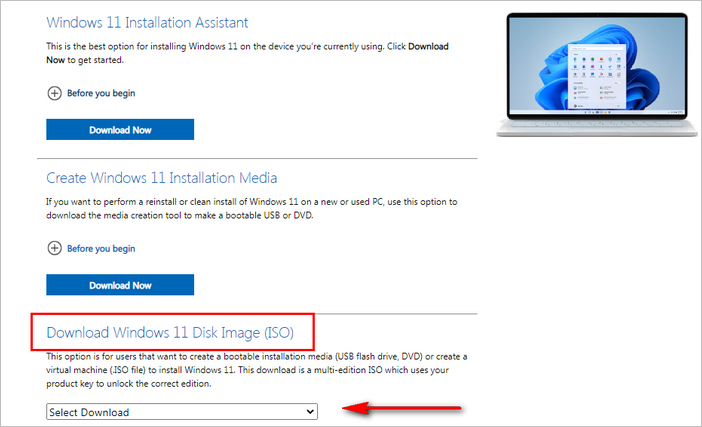
Downloading the Windows 11 ISO file is a straightforward process, but it requires attention to detail to avoid common pitfalls. The official Microsoft website provides a simple and secure way to download the ISO file, which can be used to create a bootable USB drive or DVD for installation.
Why Download Windows 11 ISO
There are several reasons why you might want to download the Windows 11 ISO file. Perhaps you want to perform a clean installation of the operating system, or maybe you need to create a bootable USB drive to repair a damaged Windows installation. Whatever the reason, downloading the ISO file from a trusted source is essential to ensure the integrity and security of your operating system.
Official Microsoft Sources To download the Windows 11
ISO file, you should always use official Microsoft sources. The Microsoft website provides a download tool that allows you to select the desired language, edition, and architecture (32-bit or 64-bit) of the operating system. This ensures that you get the correct version of Windows 11 for your needs.
Tools and Software for Downloading Windows 11 ISO
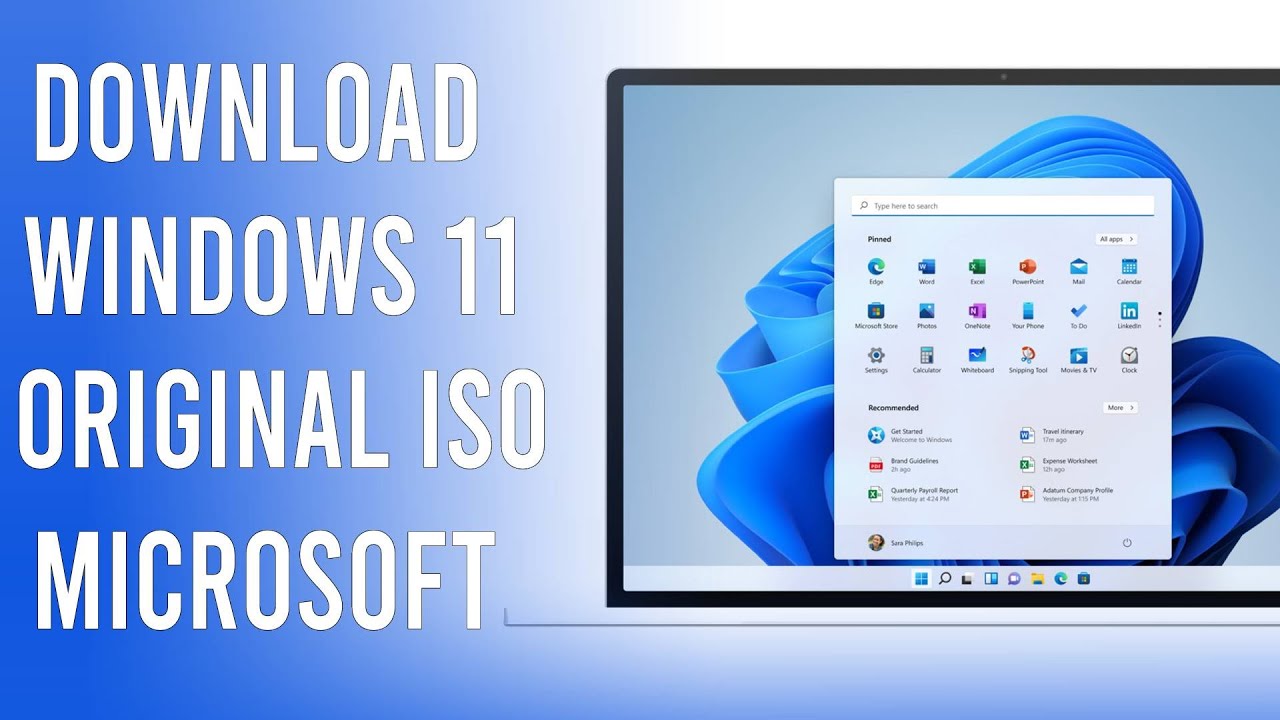
There are several tools and software available that can help you download the Windows 11 ISO file. Here are a few options:
- Microsoft Download Tool: The official Microsoft download tool is the recommended way to download the Windows 11 ISO file.
- Rufus: A free and open-source tool that can be used to create a bootable USB drive from the ISO file.
- Etcher: A free and open-source tool that can be used to create a bootable USB drive or SD card from the ISO file.
- ImgBurn: A free tool that can be used to burn the ISO file to a DVD or CD.
- VirtualBox: A virtualization software that can be used to create a virtual machine and install Windows 11 from the ISO file.
Common Mistakes to Avoid When downloading the Windows 11 ISO file, there are several common mistakes to avoid. These include:
- Downloading the ISO file from unofficial sources, which can lead to malware or corrupted files.
- Not selecting the correct language or edition of the operating system.
- Not verifying the integrity of the downloaded ISO file.
- Not using a genuine product key to activate the operating system.
Verifying the ISO File
To verify the integrity of the downloaded ISO file, you can use a tool like Microsoft's own File Checksum Integrity Verifier. This tool can be used to calculate the SHA-1, SHA-256, or MD5 checksum of the ISO file, which can be compared to the expected value provided by Microsoft.
Practical Examples and Use Cases Here are a few
practical examples and use cases for downloading the Windows 11 ISO file:
- Creating a bootable USB drive to install Windows 11 on a new computer.
- Creating a virtual machine to test Windows 11 before installing it on a physical machine.
- Repairing a damaged Windows installation by booting from a USB drive or DVD.
Limitations and Workflow Tips When downloading the Windows 11 ISO file, there are a few limitations and workflow tips to keep in mind. These include:
- The ISO file can be large, so ensure you have enough disk space and a stable internet connection before downloading.
- Use a genuine product key to activate the operating system.
- Create a backup of your important files and data before installing Windows 11.
Conclusion Downloading the Windows 11
ISO file is a straightforward process, but it requires attention to detail to avoid common pitfalls. By using official Microsoft sources and verifying the integrity of the downloaded ISO file, you can ensure a secure and successful installation of the operating system.